Key Takeaways
- Social connection supports both physical and emotional well-being.
- Barriers like transportation gaps and shrinking circles can be worked around with small steps.
- Clubs, classes, and volunteering create steady, meaningful friendships.
- Technology helps you stay close to loved ones who live far away.
Staying Connected & Active in Retirement
Retirement gives you back your time, but it can also change how often you see other people. When the daily rhythm of work fades, so do the built-in chances to chat, laugh, and share a meal with familiar faces. That shift can feel bigger than you expected.
The good news is that staying socially active after retirement comes down to a mix of small habits, shared interests and an environment that makes connection easy and keeps you engaged. A supportive community makes those choices simpler, keeping your days full of the company and conversation that matter to you.
Why Social Connection Matters After Retirement
Regular time with others links closely to how you feel, both in body and mind. People who stay socially active tend to move more, sleep more soundly, and keep a steadier mood. Simple things, like a weekly card game or a phone call with a friend, add up over time.
Retirement opens the door to fresh relationships. You have room in your schedule to meet neighbors, reconnect with old friends, and explore interests you once set aside. Loneliness and social isolation are not the same thing. Loneliness is the feeling of missing connection, while isolation is the actual lack of contact with others. You can feel one without the other, and knowing the difference helps you spot what you need.
Barriers to Social Connection After Retirement
Staying social after retirement can come with a few challenges. Without the structure of work, it may take more effort to find regular opportunities to connect with others. Mobility changes, limited transportation or driving becoming less comfortable can also make getting out harder.
Distance can be another factor as family and friends move away over the years. These changes in daily activity can gradually make a social circle smaller and reaching out feel more difficult. Recognizing these barriers can make it easier to find simple ways to stay connected.
How to Work Around These Barriers
Start with activities that fit your energy and comfort. Seated exercise groups, gentle stretching classes, and low-impact walking clubs welcome all ability levels and give you a reason to show up.
Keep the first steps small. A short coffee meetup or a casual chat with a neighbor takes little effort and builds momentum. From there, look for structured social opportunities nearby, such as a community center schedule or a local library program that meets on set days.
Build New Friendships at Any Age
Friendships often grow through regular time spent with people who share your interests. Joining a gardening club, taking a class or workshop, or volunteering regularly can create opportunities to meet familiar faces and build connections over time.
Volunteering deserves special mention. A steady shift at a food pantry or animal shelter gives your week rhythm and puts you next to people who share your values. That kind of repeat contact is how casual acquaintances become real friends.
Non-Traditional Activities Worth a Try
If the usual options feel stale, branch out. Pickleball has become a favorite for its easy pace and social feel, and community theater or a monthly dinner club can bring new characters into your life.
Intergenerational programs pair you with younger students or families, while citizen science projects let you gather data on birds or weather from home. You might also become a docent or tour guide at a local museum, sharing what you love while meeting curious visitors.
Staying Connected with Technology
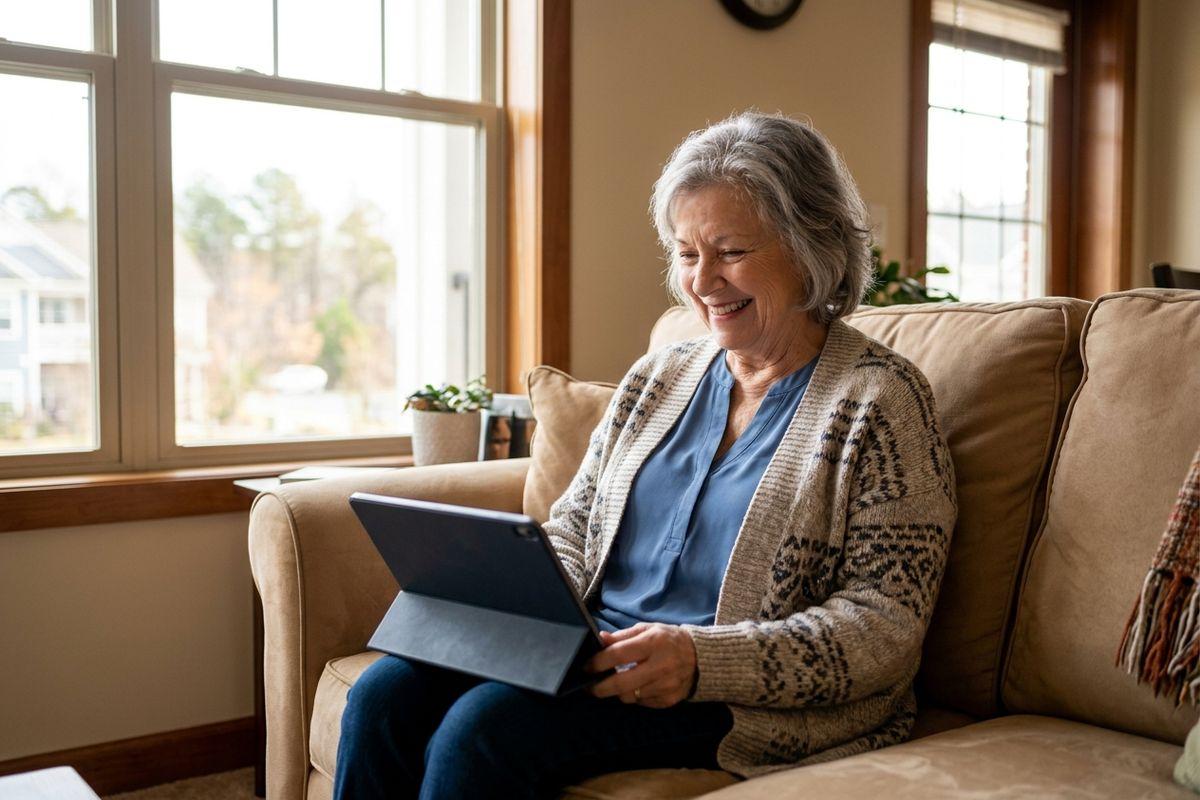
Distance no longer has to keep you apart from the people you care about. A video call lets you see your grandchild’s smile or catch up with a friend across the country in real time. Online communities also bring hobbies to your fingertips.
You can join a quilting forum, swap recipes in a cooking group or use apps to play chess and trivia with others. These spaces keep conversations going between in-person visits. If new devices feel confusing, a beginner tech class can help you learn at a comfortable pace and make it easier to text photos, browse groups and video chat.
Removing Barriers to Connection
Senior living communities can provide regular opportunities for social interaction as part of daily life. Shared meals offer a chance to talk with others, while scheduled activities such as fitness sessions, craft groups and outings provide ways to stay active and meet people.
Common areas also make it easier to spend time with others without having to make separate plans. For people who no longer drive or have limited transportation, community transportation options can also make it easier to attend activities and stay connected.
Comparing Independent with Assisted Living
Independent living hands you a maintenance-free lifestyle, so you trade yard work and repairs for free time. That freedom leaves more room for the people and activities you enjoy.
You also live among neighbors at a similar life stage, which makes small talk easy and friendships likely. As needs change, options like assisted living, memory care, and respite care offer added support close to home.
Building an Active Community Life
Staying social after retirement comes down to steady habits, shared interests, helpful technology, and a setting that makes connection simple. Each small step keeps your days full of familiar faces and good conversation.
At Somerby at Baxter Village, shared spaces and everyday activities create opportunities to connect with neighbors and build friendships. Learn more about the community and what daily life can look like. Schedule a tour to see the community in person.