

Key Takeaways
- Community design directly impacts your daily comfort, safety, and ability to maintain independence.
- Thoughtful layouts encourage natural social connections while providing private spaces when you need them.
- Different care levels require specific design features to support your changing needs over time.
- Front porch living design creates neighborly environments that foster genuine community connections.
Why Senior Living Community Design Matters for Your Daily Experience
When you walk through a senior living community, you’re seeing more than just buildings and landscaping. You’re looking at how your daily life will unfold in that space. The way hallways connect, where seating areas are placed, and how natural light flows through common spaces all shape your experience.
Community design affects everything from how easily you can navigate your new home to how often you’ll connect with neighbors. Smart design removes barriers to independence while creating natural opportunities for the social connections that make life meaningful. At Somerby Baxter Village, this thoughtful approach is woven into every aspect of the community planning. The design supports a transition to independent living, assisted living, and memory care, all while maintaining the comfort and familiarity you value.
How Community Design Affects Your Daily Life
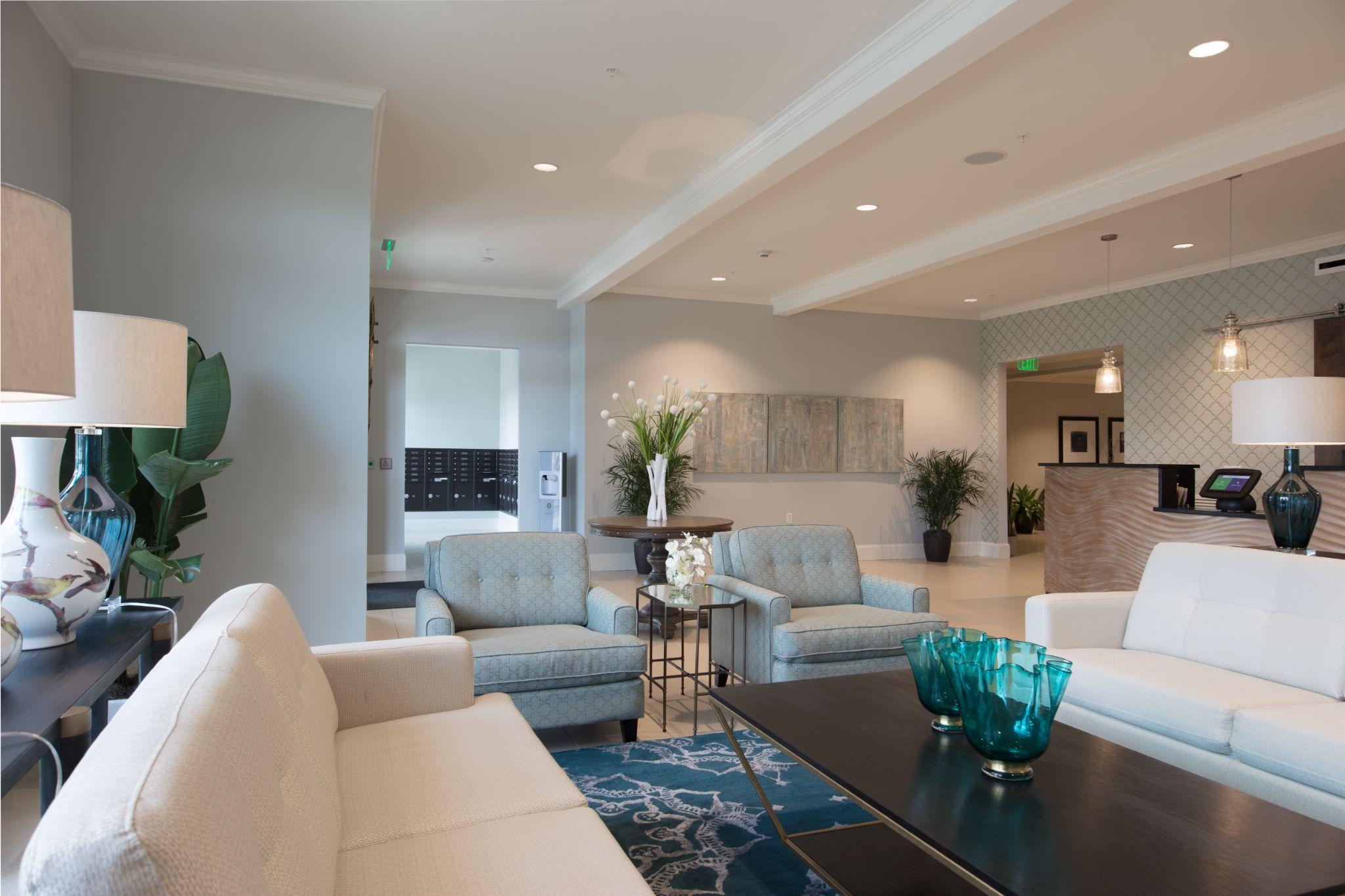
The layout of your community determines how comfortably you can move through your day. Wide hallways with grab bars let you walk confidently, while clear signage helps you find your way without frustration. When designers place mailboxes and seating areas near each other, you’re more likely to have casual conversations with neighbors.
Safety features woven into the design protect you without feeling institutional. Non-slip flooring, adequate lighting, and emergency call systems positioned throughout the community provide peace of mind. Social spaces like libraries, activity rooms, and dining areas encourage you to stay engaged, while private nooks give you quiet places to read or enjoy the benefits of reading.
Your living space itself should feel like home, not a clinical environment. Apartment-style layouts in independent living maintain your sense of autonomy, while accessible bathrooms and wider doorways in assisted living support you as your needs change. These thoughtfully designed spaces reflect your lifestyle preferences and practical requirements.
Design Elements That Support Your Independence
Independence in senior living starts with accessible pathways that accommodate walkers, wheelchairs, and changing mobility needs. You shouldn’t have to navigate steep ramps or struggle with heavy doors to reach dining areas or community activities. The right design helps you maintain your activities of daily living with confidence and ease.
Lighting plays a crucial role in your comfort and safety. Well-lit corridors, stairwells, and outdoor walkways help prevent falls and make you feel secure moving around in the evening. Natural light in common areas creates warmth and helps maintain your circadian rhythms.
Thoughtfully placed handrails and grab bars provide support without making spaces feel clinical. Clear wayfinding systems with easy-to-read signs help you navigate independently, especially important if you’re considering memory care options for yourself or a loved one.
How Front Porch Living Design Builds Community
Front porch living design creates the neighborly atmosphere many people miss when they leave their longtime homes. This approach places seating areas and gathering spaces where natural interactions happen, like near entrances or along walking paths.
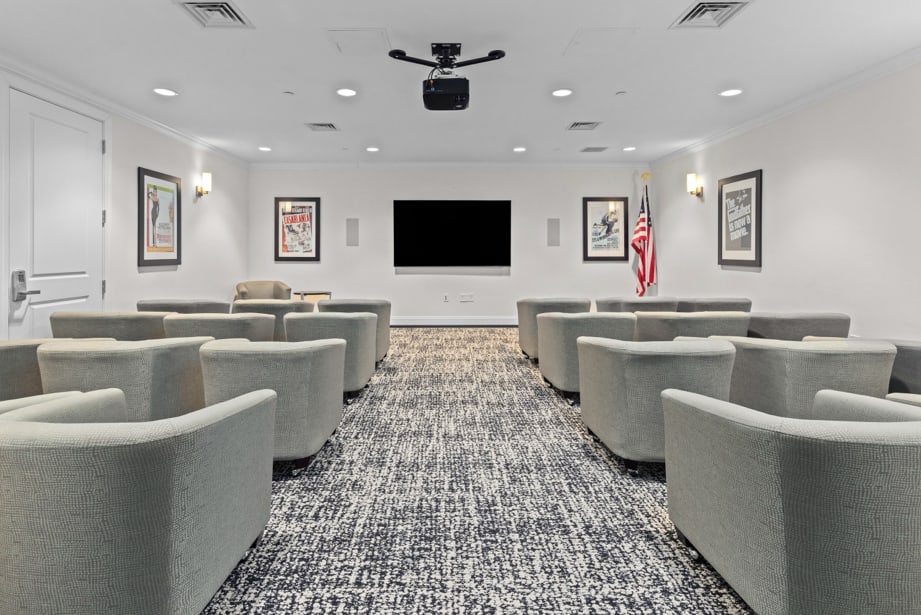
Common areas positioned near residential wings encourage you to stop and chat with neighbors on your way to activities. Open sight lines between different spaces let you see what’s happening and decide when you want to join in or simply observe.
Comfortable seating arrangements in small clusters promote conversation rather than rows of chairs facing the same direction. These design choices help transform a senior living community from a place where you simply live into a neighborhood where relationships grow through meaningful activities and programs.
Design Considerations for Different Levels of Care
Independent Living Design Features
Independent living spaces should feel like your own apartment or home. Full kitchens let you cook when you want, while easy access to community dining gives you options. Maintenance-free outdoor spaces provide the beauty of gardens without the work.
Assisted Living Layout Needs
Assisted living design anticipates your changing needs with emergency response systems, wider doorways for mobility aids, and accessible bathroom features. The goal is supporting you while preserving your dignity and privacy.
Memory Care Environment Design
Memory care environments use calming colors and familiar residential settings to reduce confusion. Secure outdoor areas let residents enjoy fresh air safely, while controlled access points provide necessary security without feeling restrictive.
Choose a Community That Supports Your Lifestyle at Somerby Baxter Village
At Somerby Baxter Village, thoughtful design supports your independence across independent living, assisted living, and specialized memory care. The signature front porch living approach creates genuine connections while respecting your need for privacy and personal space.
Visit Somerby Baxter Village to see how community design can support the lifestyle you want to maintain. Contact us today to experience how the right environment makes all the difference in your daily comfort and long-term satisfaction.